






Full Power
Iron Ore
Pellet
Processing
A success story
Screening Power at the Arctic Circle in Norway
The largest Scandinavian iron ore producer relied on JOEST screening technology in 2016. The million-dollar project comprises a turnkey screening and conveyor system for processing iron ore pellets prior to ship loading.
Processing Plant for
the Screening
Storage
Bunker System
Bunker
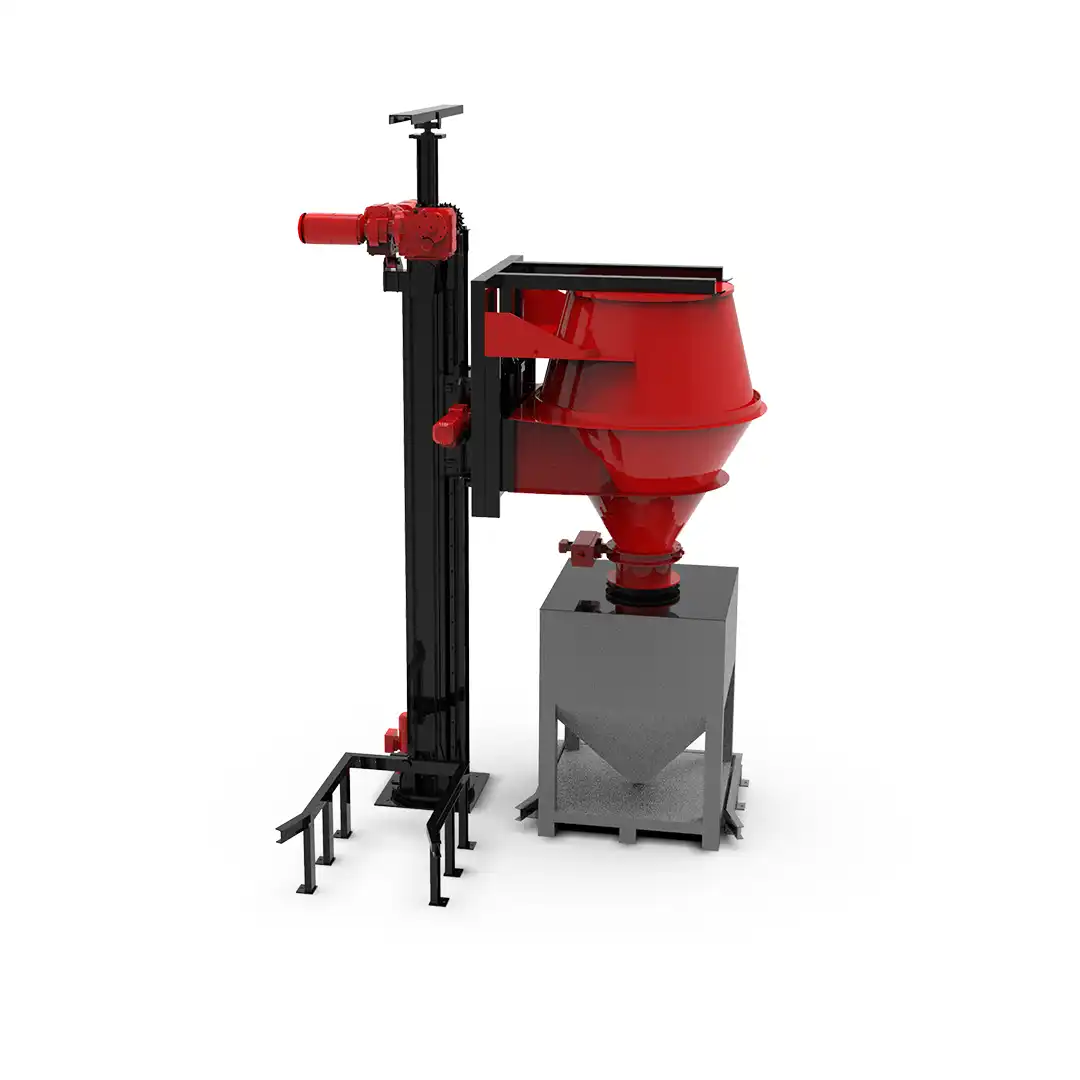
Discharge Feeder
Double Deck
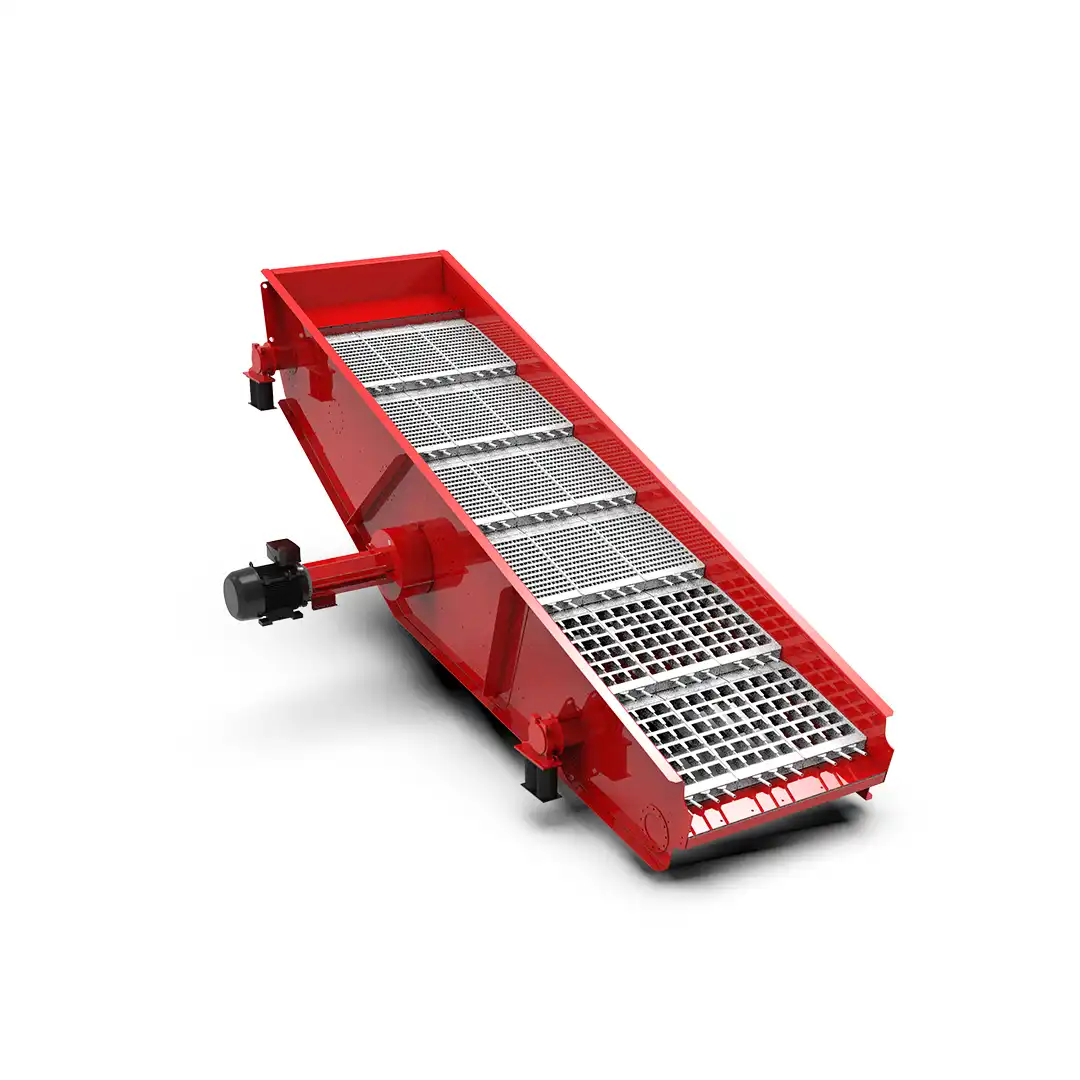
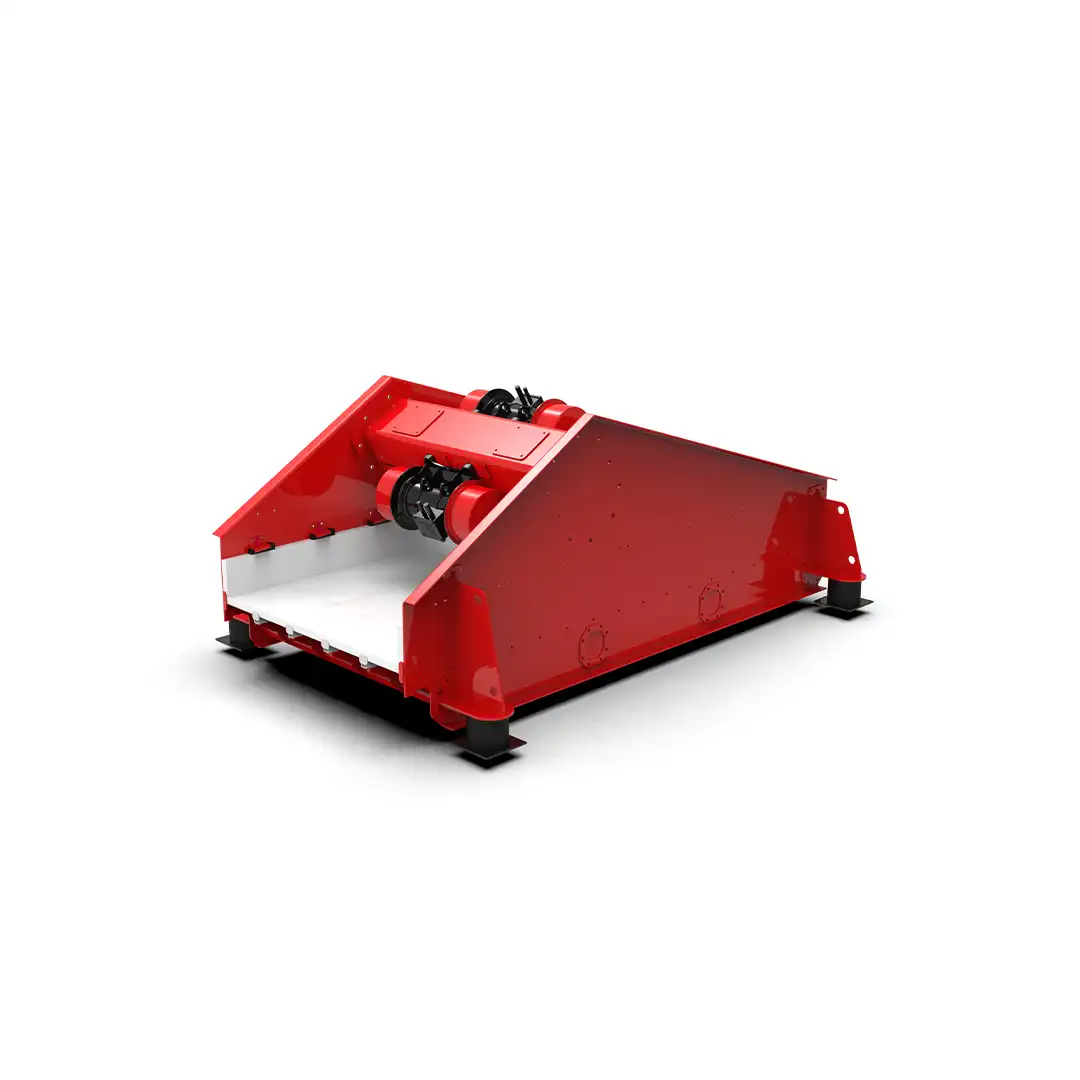
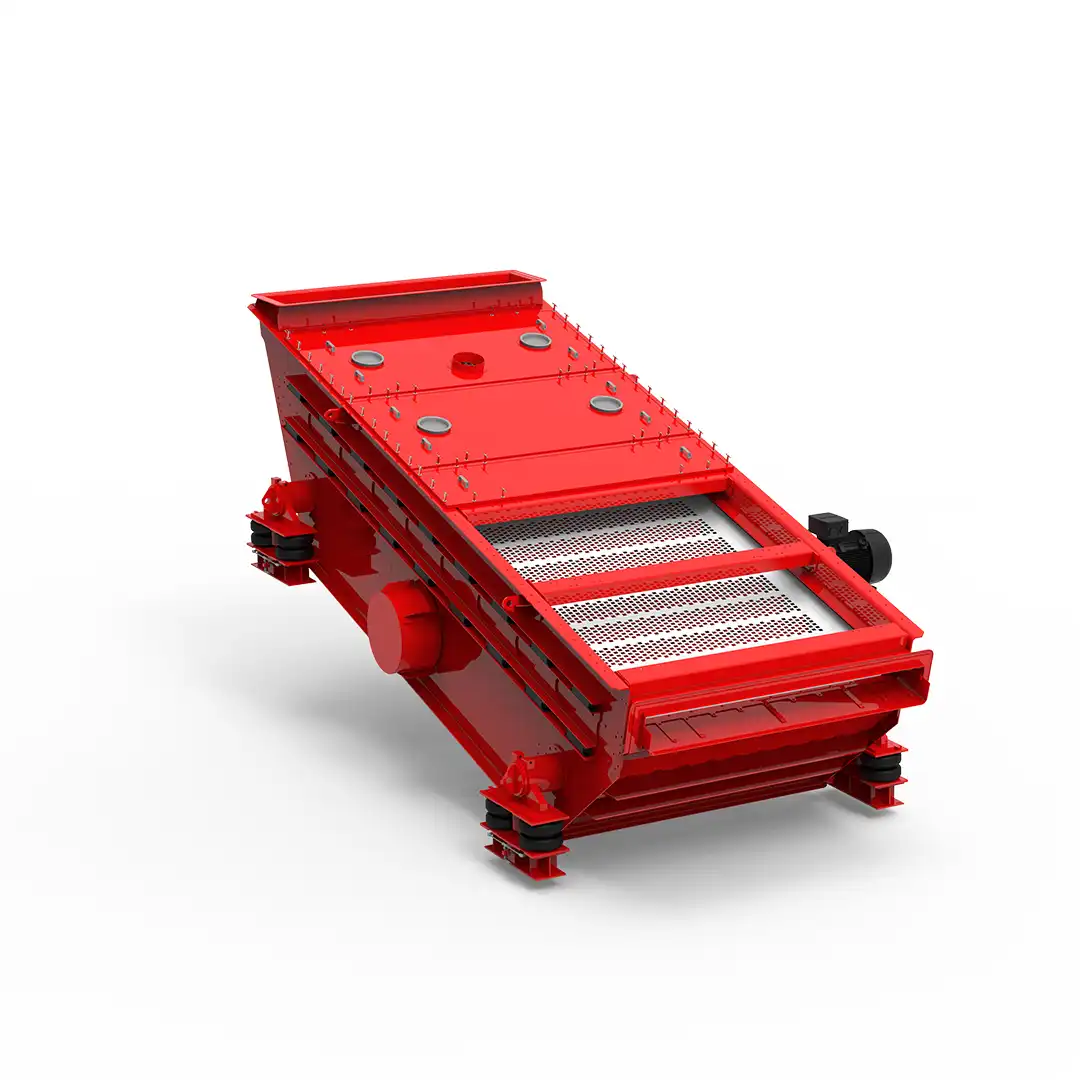
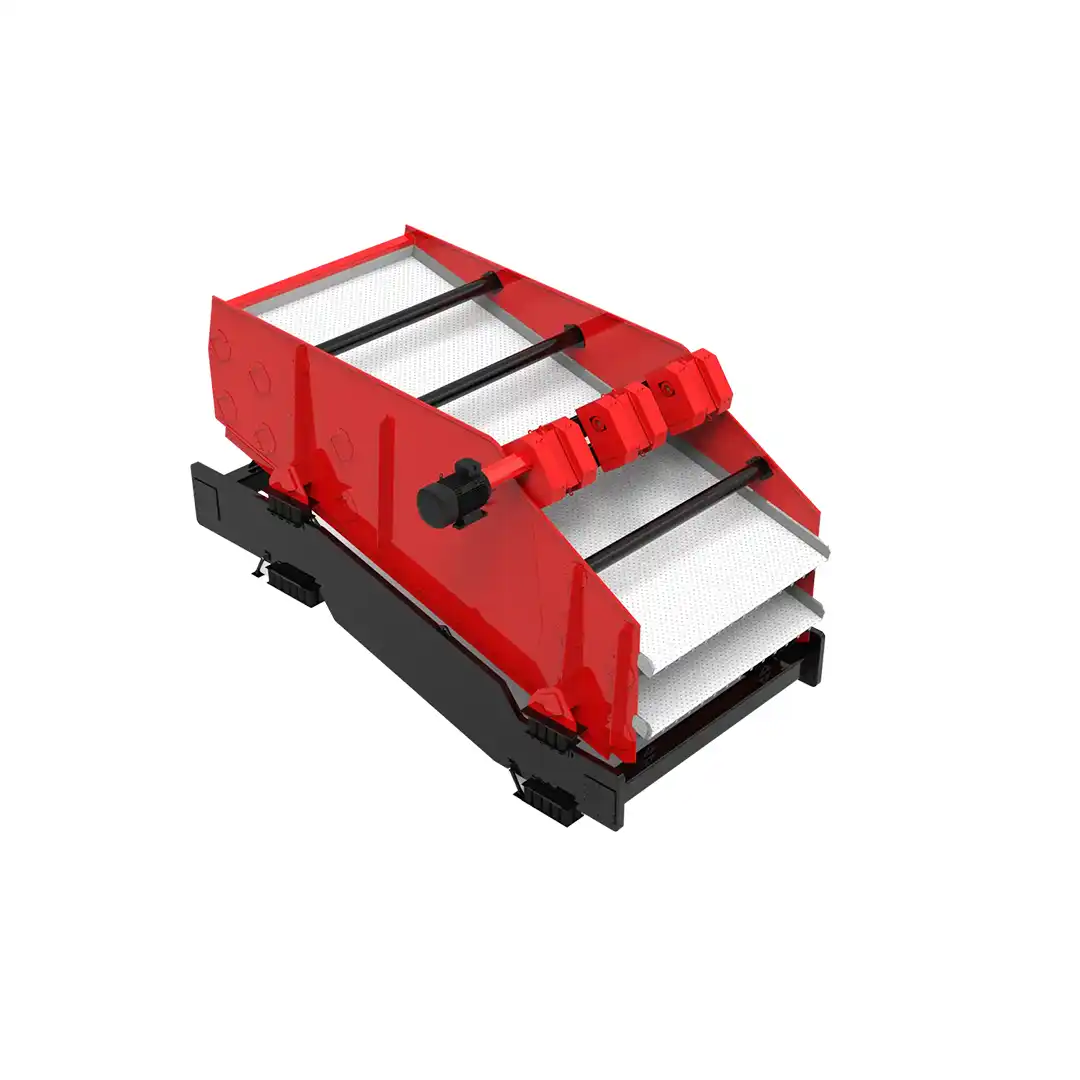
Vibrating Screens
Oversize
Material Handling
Belt Conveyors
Steel
Construction
Conveying System for Loading onto Ships
Screening Technology from Duelmen in Narvik
In 2016, we completed a challenging project in the far north of Norway, in Narvik: a high-tech plant system for processing iron ore pellets – tailor-made for the specific requirements of this region.
Kiruna, the northernmost city of Sweden, is home to an iron ore mine of the same name, which processes and stores pellets. These iron ore pellets are transported from Sweden to Norway for shipping. In 1902, a train line was built all the way to Narvik for this purpose. At the time this was the most northern train line in the world. The trains using this route pull up to 68 rail carts and transport around 33 million tons of iron ore per year.
Narvik is situated at the Ofotfjord, north of the Arctic Circle, and has an average annual temperature of around 4° C. Thanks to these temperatures, which are influenced by the Gulf Stream, the fjord remains free of ice almost all year round. This is where the processing plant of Scandinavia’s biggest iron ore producer is located, with a facility for direct loading of iron ore pellets onto ships. The existing plant has a processing rate of 6,000 t/h, and a new plant with a processing rate of an additional 9,000 t/h had to be added.
The new screening plant system consists of a storage bunker system, six large double-decker vibrating screens with chutes, various connecting belt conveyors as well as a crusher. The scope of delivery also included the entire steel structure, detailed planning, project management as well as installation and start-up.
JOEST Screening Technology
The screens classify the input materials into pellets, finer and larger material particles.

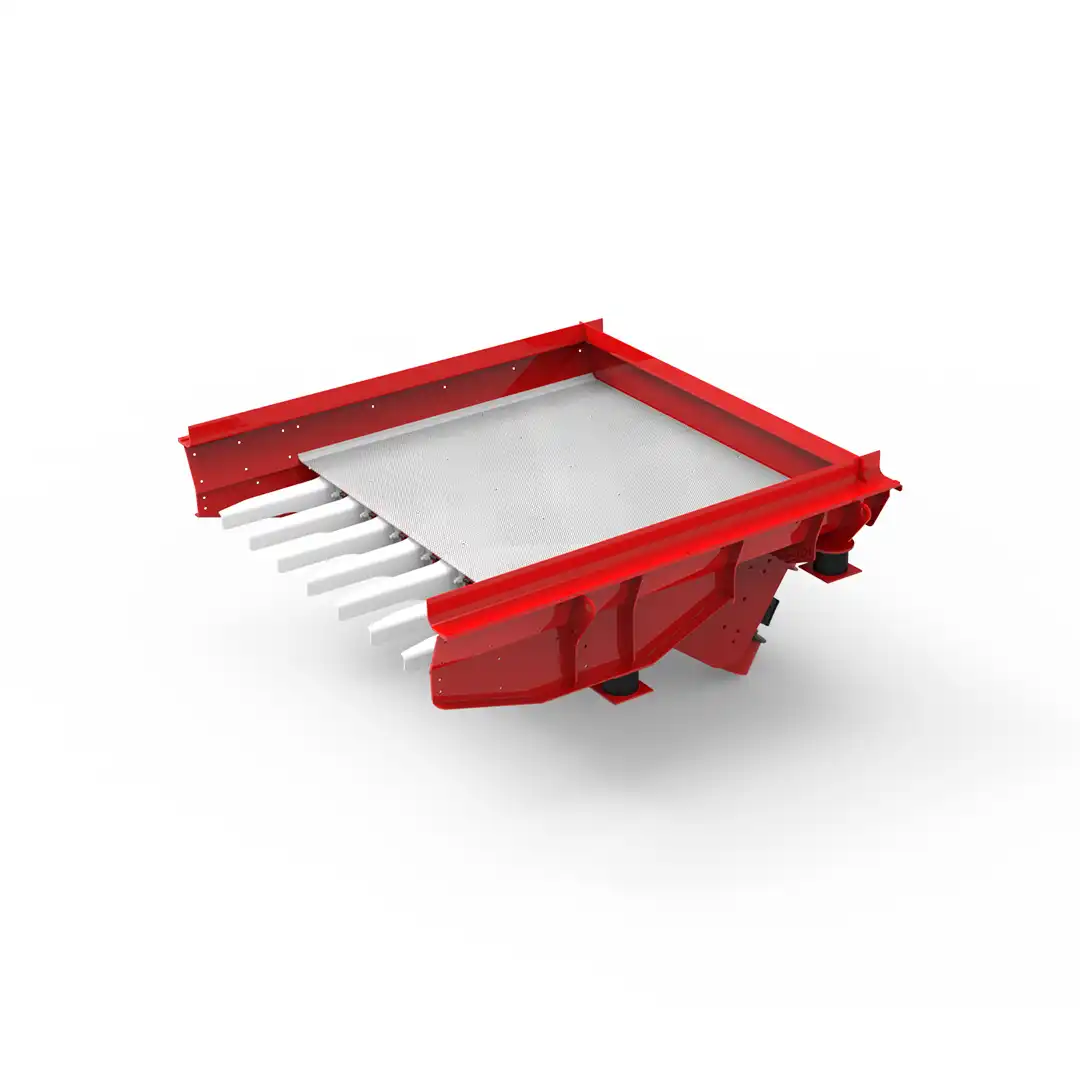
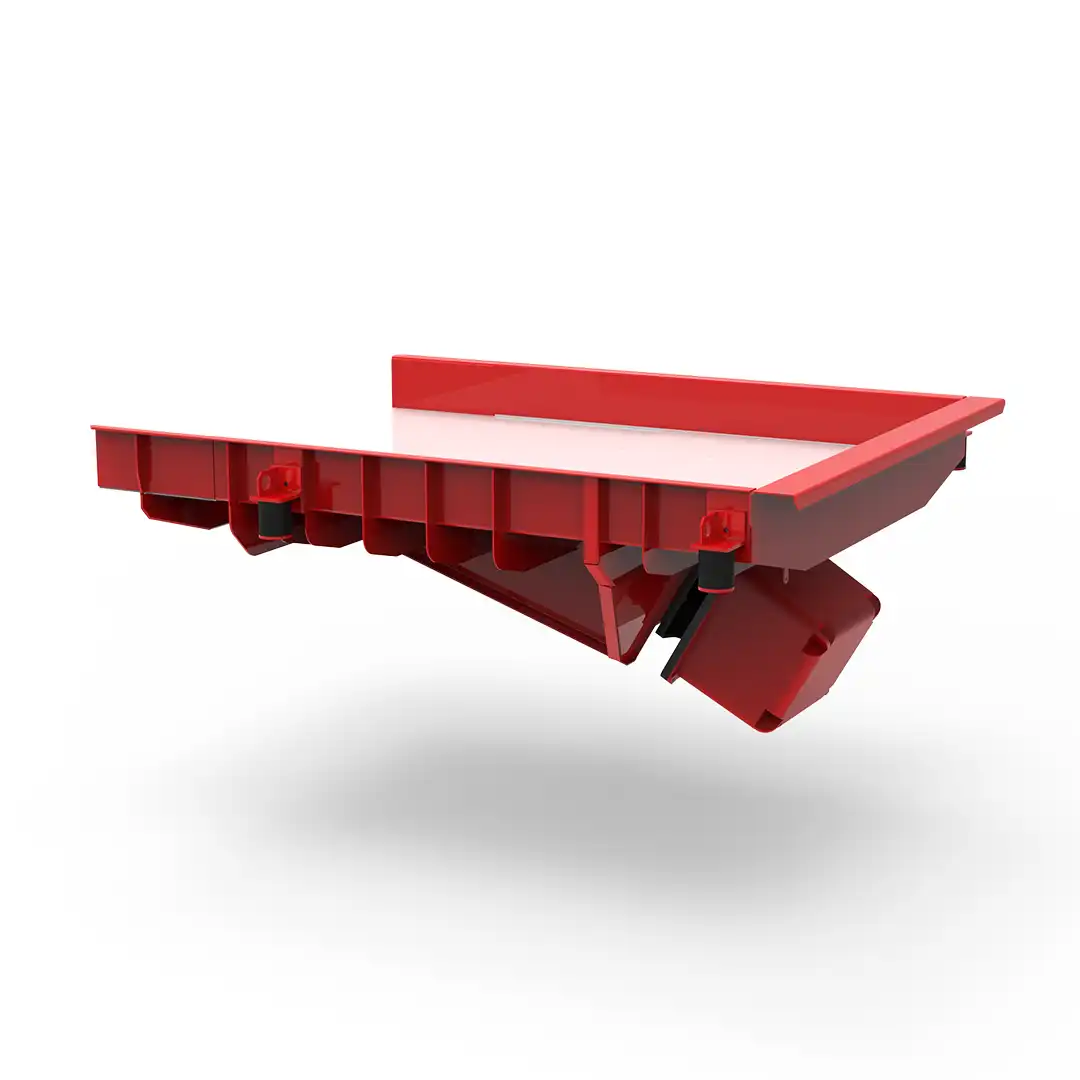
Underneath each of the six bunker segments a large exciter driven JOEST feeder is discharging the material onto the vibrating screens. The special design avoids any material blockages and ensure very high discharge volumes of up to 9,000 tons of iron ore pellets per hour.
The heart of the screening plant are the six double-deck vibrating screens, each with a width of 3,000 mm and a length of 9,200 mm. The screening plant has an impressive size of 41 x 26 x 42 m using more than 1,700 tons of steel for the construction. The screens are arranged in a back-to-back position for the best material distribution. Each screen can handle a maximum capacity of 1,500 t/h and has an effective screening area of 27.6 m² per deck.
The larger material ranging from 20 – 50 mm is conveyed to the Oversize Material Handling. The larger material ranging from 20 – 50 mm is conveyed to the Oversize Material Handling.
The pellets are moved directly onto the belt for loading onto ships. The finer material, with a size range of 0 – 6 mm, is transported separately into a fines hopper and converted back into pellets in a separate process.